Sponsored article
Daily Ministry Cassock – What Really Determines Comfort and Durability?
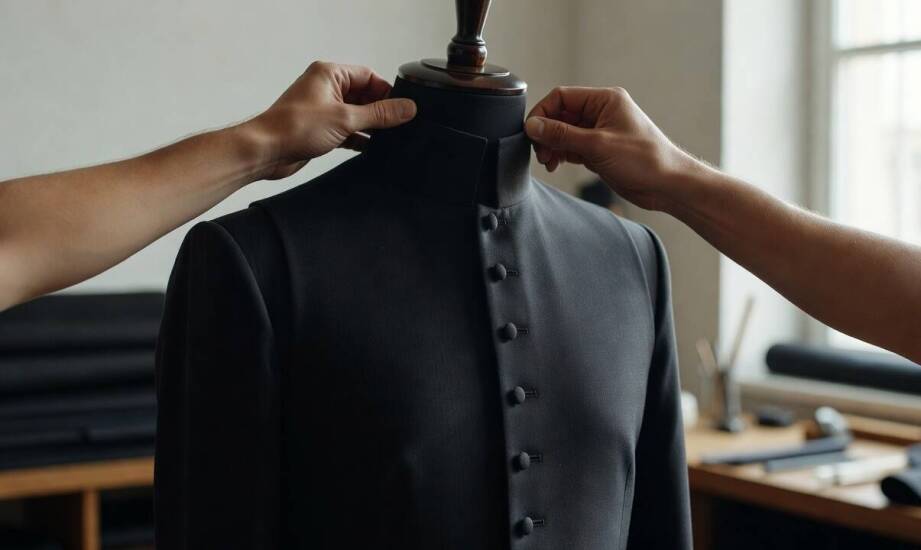
- Fabric Composition, Breathability and Crease Resistance
- The Role of Lining, Fabric Weight and Finishing
- Sleeve Construction, Hip Width and Freedom of Movement
- Tailoring Details That Influence Long-Term Durability
- How to Evaluate a Cassock Specification Before Buying
- Balancing Elegance, Comfort and Longevity
- Key Takeaways
- FAQ
A cassock may look impeccable on a hanger, yet after several hours of active ministry it can become noticeably warm, heavy, and restrictive. Fabric may cling to the body in warm church interiors, while kneeling or climbing steps can place additional strain on the garment. In practice, an elegant appearance alone does not always guarantee all-day comfort.
Read more: The Significance of Cassocks in Liturgical Tradition: History and Symbolism
Choosing the right clergy attire requires a closer look at fabric characteristics, tailoring solutions, and the details hidden beneath the surface. Only the right combination of these elements ensures that the garment supports rather than hinders a priest in his pastoral duties.
Fabric Composition, Breathability and Crease Resistance
Manufacturers of liturgical clothing often use proven blends of wool and polyester, as well as lightweight cotton-based tropical fabrics and resilient wool crepes.
Natural wool is highly hygroscopic, meaning it absorbs moisture and helps maintain thermal comfort during extended wear. This property can help prevent overheating during long services. The addition of synthetic fibres significantly improves wrinkle resistance and increases the garment’s overall durability.
In warmer environments, cassocks made with a higher proportion of breathable cotton are often preferred. They allow better airflow and help reduce excessive heat build-up beneath several layers of clothing.
Heavier wool fabrics, on the other hand, can help maintain warmth in poorly heated churches, reducing the need for additional layers underneath. These differences in comfort become noticeable from the very first wear and grow increasingly important throughout long liturgical celebrations.
The Role of Lining, Fabric Weight and Finishing
A smooth lining made from viscose or acetate enhances wearing comfort and reduces friction between the cassock and other clothing layers.
Cassocks designed specifically for warmer seasons often feature a partial lining that covers only the upper back and sleeves. This approach helps maintain lightness and improves airflow. Year-round and winter models are more likely to include full lining, enhancing thermal comfort while helping heavier fabrics drape properly.
The weight of the fabric directly affects how heavy the finished garment feels during use.
Lighter fabrics in the range of approximately 200–250 g/m² are generally less noticeable during extended wear, while fabrics exceeding 300 g/m² can provide additional insulation in colder conditions.
The use of a strong protective tape or brush guard sewn into the lower hem of a cassock can help protect the edges from abrasion and dirt picked up from flooring surfaces.
Sleeve Construction, Hip Width and Freedom of Movement
Traditional cassock designs typically combine a fitted chest and shoulder area with a wider lower section and deep side pleats.
A thoughtfully designed cut allows freedom of movement when raising the arms and performing liturgical gestures. Sleeves with properly balanced proportions help avoid pressure on the forearms while kneeling and remain comfortable during prolonged sitting.
The optimal cassock length, commonly ending a few centimetres above the floor, helps reduce the risk of catching on footwear and makes it easier to move safely around sanctuary steps.
If a cassock is too tightly fitted at the waist, even slight body movements can cause the fabric to crease unattractively and reduce the practicality of hidden access openings leading to trouser pockets.
A well-tailored garment should fall naturally and require minimal adjustment throughout the day.
Tailoring Details That Influence Long-Term Durability
Even premium fabric may lose its appearance if the construction lacks strong seams and durable finishing.
Well-executed stitching helps prevent permanent deformation during years of regular use. High-quality fabric-covered buttons can also withstand daily wear while maintaining a consistent appearance.
Experienced tailors frequently reinforce the areas most exposed to stress, including pocket openings, shoulder seams, and the base of the collar. These reinforcements help protect delicate fabrics against tearing during frequent use.
A properly structured collar is also less likely to lose its shape due to moisture and regular wear.
These often invisible details can make the difference between a garment that lasts only a short time and one that remains serviceable for many years.
How to Evaluate a Cassock Specification Before Buying
When reviewing a cassock online, one of the first aspects to check is the fabric composition.
Higher proportions of wool or cotton generally indicate improved breathability, while increased polyester content can mean easier maintenance and less frequent ironing.
The type of lining provides valuable information about whether the garment is better suited to warmer temperatures or cooler conditions.
In the catalogue of Ars Sacra, clergy can find models made from a variety of fabrics, making it easier to select a solution suited to their climate and frequency of use.
Carefully reviewing the lining, fabric composition and construction details before ordering can help avoid unsuitable purchases, especially when choosing garments intended for everyday ministry or long-term missionary work.
Comparing available options based on tailoring details also makes it easier to identify a durable and practical solution.
Balancing Elegance, Comfort and Longevity
A well-made cassock successfully combines dignified appearance, freedom of movement and resistance to everyday wear.
Durability and maintenance requirements depend largely on the fabric used. Some premium pure-wool garments may require specialist cleaning, while stronger blended fabrics often tolerate standard care procedures more easily.
A careful assessment of construction, fabric composition and finishing quality helps ensure that the garment becomes a reliable part of everyday pastoral ministry.
Key Takeaways
Comfort depends not only on appearance but also on breathability and how the fabric performs throughout extended wear.
Wool, polyester and cotton blends differ in airflow, wrinkle resistance and thermal performance.
Lining, fabric weight and finishing influence friction, garment weight and comfort during ministry.
Sleeve construction, hip width and overall length affect movement when kneeling, walking and sitting.
Long-term durability depends on quality seams, buttons, reinforcements, collars and hem protection.
Product specifications can reveal a great deal about comfort when fabric composition and construction details are properly analysed.
A well-chosen cassock combines elegance with durability for intensive daily use.
FAQ
Which fabric composition works best for a frequently worn cassock?
Blends that combine natural fibres with synthetic components are often a practical choice. Wool helps regulate body temperature and absorb moisture, while lighter cotton-rich fabrics may provide better comfort in warmer environments.
Why is the lining so important for cassock comfort?
The lining influences how the garment sits on the body and how much friction occurs during movement. Partial linings typically improve breathability and reduce weight, while full linings can increase warmth and help heavier fabrics maintain their shape.
How can you tell from a product description whether a cassock will be durable?
Strong seams, reinforced stress points and well-finished collars and hems are all positive indicators. It is also worth checking details such as button quality and lower-edge protection. The more information provided about these features, the easier it is to assess the garment’s long-term durability.
Article categories
You might be interested

English translation of intellectual property legal advice
Corporate law plays a key role in driving innovation and the development of technology start-ups. Adequate regulation enables entrepreneurs to focus on creating cutting-edge solutions. In addition, they support collaboration with others and the raising of finance, which is essential for success in a

When Do Flat Bottom Test Tubes Make Sample Handling Easier – and When Do They Not?
In everyday laboratory work, samples are repeatedly transferred, dosed, inspected and moved between workstations.Read more: What is Vitamin K2 and What is Its Impact on the Body?Sometimes a seemingly small feature of a laboratory vessel can affect the ergonomics of the entire procedure.Read more: Wh